

In the world of PC gaming and performance computing, the harmony between your CPU and GPU plays a crucial role in determining how well your system performs. When building or upgrading a computer, many enthusiasts focus on choosing the latest and greatest components but can overlook the importance of ensuring these components work together seamlessly. Mismatched hardware can lead to a phenomenon known as a bottleneck, where one component limits the potential performance of the other, ultimately affecting your overall experience.
Understanding CPU and GPU compatibility is essential for anyone looking to create a powerful and efficient system. Factors such as the specific requirements of your intended applications, gaming resolutions, and refresh rates can all influence your hardware choices. Utilizing tools like a PC bottleneck calculator can help you assess whether your processor and graphics card are well-suited for each other, enabling you to make informed decisions that lead to an optimized and enjoyable computing experience.
Understanding CPU and GPU Bottlenecks
When building or upgrading a PC, one of the most crucial aspects to consider is the compatibility between the CPU and GPU. A bottleneck occurs when one component in a system limits the performance of another. In most cases, either the CPU or GPU can become the limiting factor, affecting the overall performance of the system. This imbalance can lead to lower frame rates, stuttering, and less efficient processing, making it vital to understand how to harmonize these components to achieve optimal performance.
The CPU is responsible for executing instructions and managing tasks, while the GPU handles graphics processing. If you have a powerful GPU paired with a less capable CPU, the latter may struggle to keep up, causing a bottleneck. Conversely, a high-end CPU with an entry-level GPU can lead to underutilization of the CPU's capabilities, resulting in wasted resources. Therefore, finding the right balance between these two components is essential for a smooth and efficient gaming or processing experience.
To accurately evaluate the compatibility of your processor and graphics card, using a PC bottleneck calculator can be extremely helpful. These tools assess the specifications and performance of your CPU and GPU, providing insights into whether one component may be holding back the other. By understanding the potential for bottlenecks, you can make informed choices when assembling your setup, ensuring that both components work together optimally to deliver the best possible performance.
Factors Affecting Compatibility
One of the primary factors influencing the compatibility between a CPU and a GPU is the architecture of the components. Different generations of CPUs and GPUs may support various technologies and features that can impact performance and overall functionality. For instance, a newer GPU may require functionalities, like DirectX support, that an older CPU may not provide. Therefore, ensuring that both components are relatively modern and designed to work together can help maximize performance and minimize potential bottlenecks.
Another significant factor is the bus interface and slot compatibility. CPUs and GPUs connect through specific interfaces, like PCI Express for GPUs, which can vary in speed and capability. A CPU that cannot fully utilize the bandwidth of a high-end GPU may result in inefficiencies. When selecting components, it is essential to check whether the motherboard supports all necessary interfaces and that they match the specifications of the CPU and GPU in use to avoid any interruptions in performance.
Power supply requirements also play a crucial role in ensuring compatibility. Every CPU and GPU combination has specific power needs, determined by their wattage ratings. A powerful GPU may require a more robust power supply than what is provided in a typical system. Therefore, it is vital to assess the overall power requirements of both components, as well as the motherboard and additional peripherals, to ensure an adequate power supply unit is selected, preventing system instability and performance drops.
Using a PC Bottleneck Calculator
A PC bottleneck calculator is an essential tool for gamers and PC builders looking to ensure their CPU and GPU work well together. By inputting specific components into the calculator, users can analyze potential performance issues that may arise due to mismatched hardware. This assessment allows you to identify whether your current setup is underperforming and if an upgrade is necessary to achieve optimal performance in games and applications.
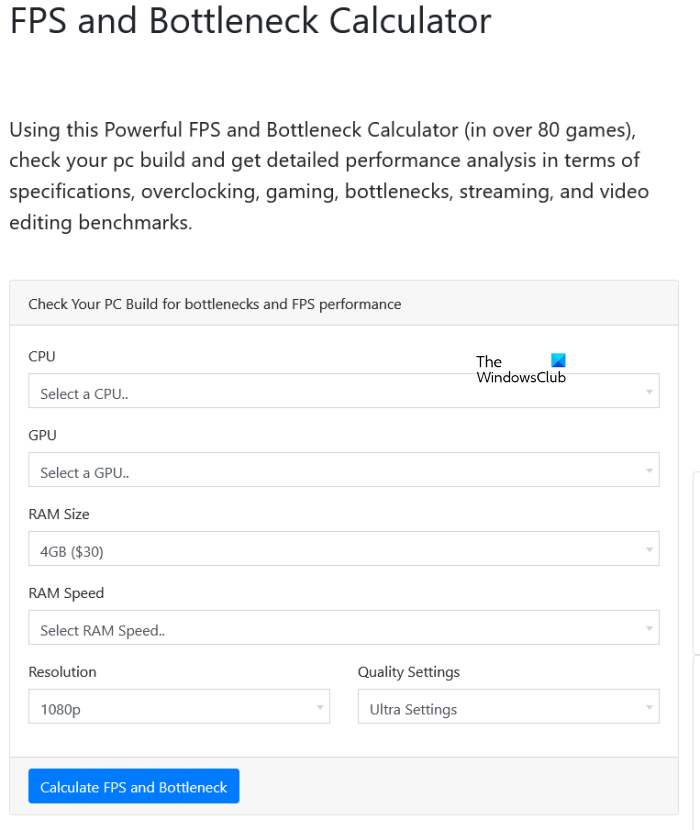
The functionality of a bottleneck calculator is straightforward. Users select their CPU and GPU from a pre-defined list or input custom specifications to receive a detailed analysis of how these components will interact. The calculator typically provides insights into percentage bottleneck, which indicates the extent to which one component may limit the performance of the other. By understanding this relationship, you can make informed decisions about which hardware to upgrade for balanced performance.
In summary, utilizing a PC bottleneck calculator is a valuable step in the process of optimizing your gaming or workstation setup. gpuprices.ai between your CPU and GPU, but also helps you plan future upgrades based on the needs of the applications you intend to run. With the right combination of hardware, you can enhance your system’s overall performance and enjoy an improved computing experience.